How to Choose Energy-Efficient Windows for a Polish Home
A breakdown of U-values, frame profiles, glazing counts, and what the WT 2021 thermal standard actually demands of new installations.
Read more →Selecting the right glazing, frame material, and sealing system can reduce heat loss through windows by up to 70%. Here is a reference guide on what actually matters.
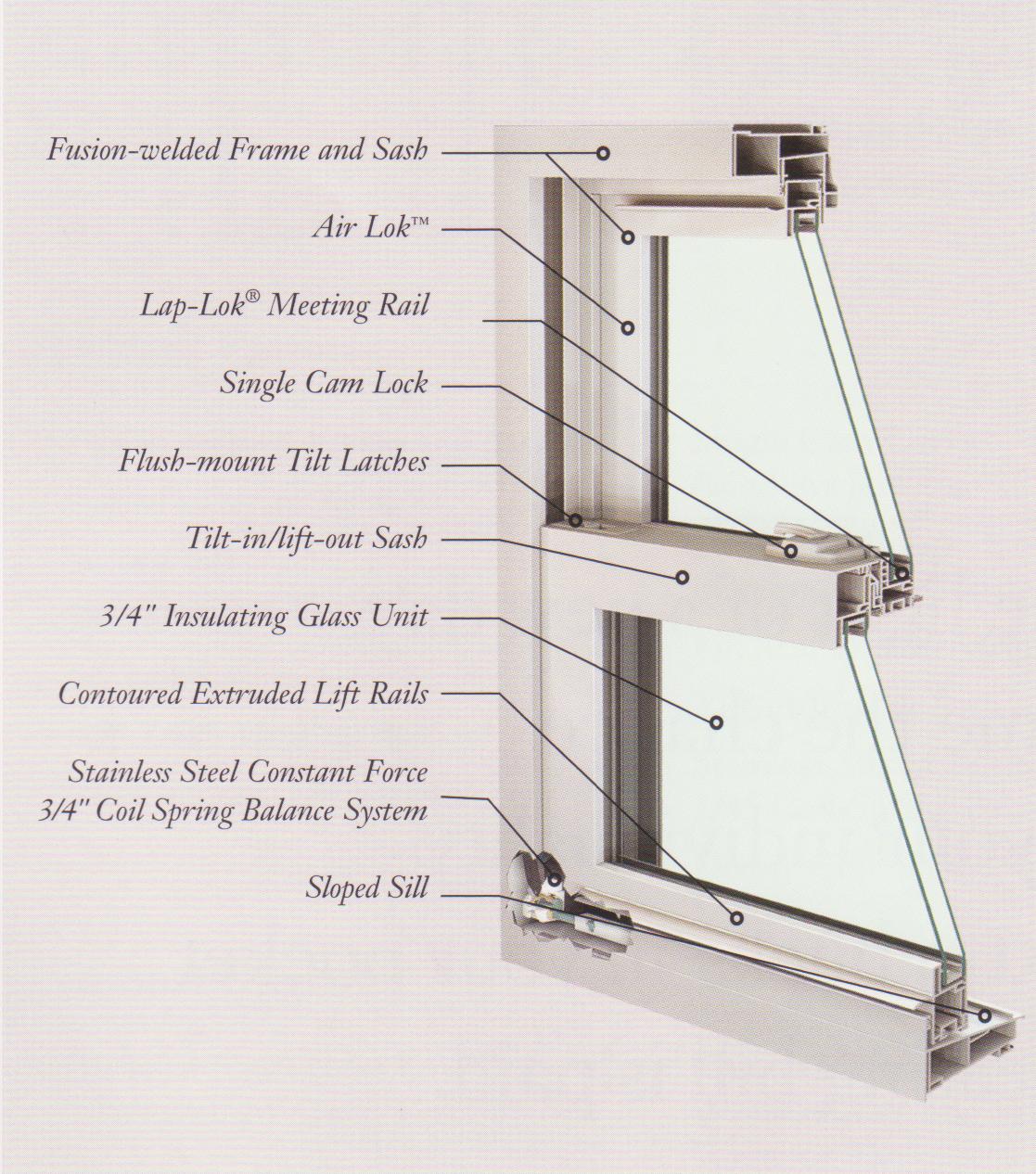
A window's energy performance depends on multiple factors working together — not just the glass pane count.
The U-value measures how quickly heat passes through a window. Polish regulations (WT 2021) require Uw ≤ 0.90 W/m²K for new residential builds. Lower is better.
PVC profiles with at least 5 chambers offer good insulation at reasonable cost. Aluminium frames require thermal breaks. Timber frames can achieve excellent U-values but need regular maintenance.
Window airtightness is classified from 1 to 4. Class 4 means virtually no air infiltration, which is essential for passive houses and near-zero energy buildings.
The g-value indicates how much solar energy passes through glass. South-facing windows benefit from higher g-values in winter, while heavily shaded openings may need lower values.
Even the best window loses performance if badly installed. The three-layer installation method — vapour-permeable outer tape, PIR foam core, vapour-retardant inner tape — is the current standard.
Aluminium spacers between panes create thermal bridges at the glass edge. Foam or stainless-steel warm-edge spacers reduce edge heat loss and prevent condensation on inner glass surfaces.

The gap between a window frame and the wall opening is a common source of heat loss and moisture damage. Filling it correctly requires more than a single bead of silicone or expanding foam.
Detailed notes on glazing, frame selection, and sealing in the context of Polish building regulations and climate.
A breakdown of U-values, frame profiles, glazing counts, and what the WT 2021 thermal standard actually demands of new installations.
Read more →
Comparing U-values, cost differences, payback periods, and the specific conditions under which the third pane delivers measurable savings.
Read more →
Why the gap around a window frame matters as much as the window itself, and how the three-layer installation method addresses moisture, drafts, and heat loss.
Read more →A summary of the most common glazing configurations used in Polish residential construction.
| Glazing Type | U-value (glass) | Gas Fill | WT 2021 Compliant | Typical Application |
|---|---|---|---|---|
| Single pane | 5.6 W/m²K | Air | No | Historic glazing only |
| Double (standard) | 2.8 W/m²K | Air | No | Older stock, not recommended |
| Double Low-E | 1.0–1.1 W/m²K | Argon | Marginal | Budget renovation |
| Double Low-E warm-edge | 0.9–1.0 W/m²K | Argon/Krypton | Yes | Standard new build |
| Triple Low-E | 0.5–0.7 W/m²K | Argon/Krypton | Yes | Passive house, northern facades |
For editorial notes, data corrections, or general questions about the content on this site.